
Flying for the first time? Here’s your guide.

Mar 26, 2026

read-time

5 mins read

Key Takeaways

  • For first-time flyers, preparing before you even leave for the airport can make your experience less stressful.
  • Airports have clear signage to help you get where you need to go, but be sure to leave early enough to allow time for each step.
  • Bring suitable entertainment and snacks with you so you can fully enjoy your flight.
  • Have a plan for what to do after you arrive and decide whether you’ll be finding your own way to your destination or having someone pick you up. 

Booking your first flight is a big deal. You’re probably feeling a mix of emotions — and that’s totally normal.

From navigating the terminal to boarding the plane, all the brand-new experiences can be overwhelming. But once you get the hang of it, flying can be fun. And understanding the process makes that first flight much less daunting. This article breaks down your upcoming journey into four key stages. Sit back, relax and enjoy the read.  

What to do before heading to the airport

There’s plenty of things you can do ahead of time to feel more confident on your travel day. Deciding on your luggage and time of arrival can make the days before your trip less turbulent. 

Decide if you’re checking a bag

If you’re going on a weekend getaway, a checked bag is probably more hassle than it’s worth. And if you’re traveling abroad for a month, it’s likely a must-have. But for something like a one-week family visit, it gets murky.

  • Confirm your bag allowance: Most standard airlines include a free carry-on bag, but checked bags are often reserved for premium tickets or for flights traveling across the ocean (e.g., from the U.S. to Europe). If you’re flying basic economy or on a budget carrier, expect to pay for both. Double check your confirmation email or the airline website to be sure.
  • See if the price is worth it: A checked bag averages $35 to $40. And that price goes up if it’s over the weight limit, which is typically 50 pounds.
  • Decide what you’re packing: If you want to pack toiletries that are larger than 3.4 ounces or other items not allowed in a carry-on, a checked bag can offer you more freedom.
  • Consider the added wait: The extra luggage space is nice, but it also comes with extra time spent waiting at the airport — before and after your flight. 

Figure out what to pack

It’s always smart to leave some room for souvenirs. So, as you’re packing and you pick up that book you’ve been thinking of reading, ask yourself, “Will I actually read this?” If not, it’s probably best to leave it at home. Here are some things to keep in mind when choosing what to put in your suitcase:

  • Weather: Is it going to be hot, cold or a mix of both? Remember to check the forecast.
  • Length of trip: How long will you be gone? And are you staying in a place where you can easily do laundry, or do you need clean clothes for each day?
  • Trip itinerary: If you have more adventurous activities planned, you’ll want to bring the right shoes and clothes to make every activity comfortable. No one wants to hike in flip-flops.
  • Toiletries: Any liquids, gels or aerosols in your carry-on bag or personal item must be in containers 3.4 ounces or less. And all containers must fit in a single quart-sized bag. If there are any specific personal care items you find it hard to live without, make sure to bring them. And make sure they’re all travel sized.
  • What not to bring: Anything that feels like it could be a weapon needs to stay home. You can read the official TSA guidelines for more details.

Plan your carry-on essentials

If you’re checking a bag, keep the things you can’t live without for a day or two, like any medications, with you.

You’ll also want to keep your in-flight entertainment, mid-flight snacks and some extra pairs of underwear in your carry-on bag or personal item. That way, you’ll feel confident you have what you need if your checked bag gets lost. 

Check in beforehand

Nearly all airlines have a mobile app or website you can use to check in for your flight 24 hours before departure. Checking in the day before can help streamline your travel day. Throughout the check-in process, you may have the opportunity to pre-order an in-flight meal. The best part about checking in through your phone is that you can easily add your ticket to your digital wallet for quick boarding.

If you don’t check in ahead of time, you’ll have to find a kiosk outside your airline’s baggage drop-off area to print your ticket (or wait in line to see an agent). It’s usually quick, but it’s an extra step that can be easily avoided.

Get to the airport early

Choosing the right time to arrive at the airport depends on your type of flight and your mode of transportation.

  • Domestic flights: Arrive two hours before departure.
  • International flights: Arrive three hours before departure. Note that most airlines won’t let you check your bag until you’re three or four hours away from takeoff, so getting to the airport any earlier won’t provide much of an advantage. 

Once you’ve chosen your target arrival time, consider other variables.

  • If you’re using a rideshare service or taxi, try to book your ride ahead of time.
  • If you’re relying on public transportation, allow extra time in case of delays.
  • If you’re driving yourself, leave plenty of time for parking at the airport. Consider how long it takes to get from the parking lot to the airport entrance. Some airports have economy lots that cost less but are farther away and require you to take a bus, shuttle or train.

However and whenever you’re getting there, confirm whether the airport you’re flying out of has multiple terminals, and make sure to route yourself to the correct one. Terminal information, if applicable, should show up on your boarding pass, or you can look up your flight on the airport’s website.

Wear the right clothes

Sometimes planes are too hot. Other times they’re too cold. And they’re hardly ever just right. So be ready for all scenarios. Wearing a hoodie or cardigan can offer you the ideal comfort, and if you get too hot, it can work as a pillow instead.

You’ll also be walking more than you might expect, especially in large airports. Wear shoes that won’t create any blisters.  

Have the right ID ready

You’ll need different types of ID depending on what type of flight you’re on:

  • Domestic flights: You need a REAL ID or valid government-issued passport. A standard issue driver’s license is no longer going to cut it. You can get a REAL ID from your local DMV, and it’ll take a few weeks to arrive.
  • International flights: You need a valid government-issued passport. If you don’t already have one, the process takes about two months. Post offices, libraries and some companies offer passport application and photo services. 

What to do while at the airport

When you take your first step into the airport, you’ll be entering a building unlike anything you’ve been in before. We’ve put together all the important stops you’ll come across on your journey, so you can feel prepared for what lies ahead. 

Navigate through the airport

Airports use clear signage so you can easily get where you need to be. Here are the different things you’ll do as you make your way through the airport:

  • Find the right terminal: Some airports only have one terminal. But if yours has multiple, you’ll want to look out for your specific airline listed on signs before you enter. Or you can search for your airline’s terminal on the airport’s website before you leave.
  • Check your flight status: It’s possible for your flight to change its concourse, gate or departure time. Find one of the digital boards posted throughout the airport to check your flight. Some airlines will also update your flight details in the mobile app.
  • Drop off your bag: If you have a bag to check or you didn’t check in for your flight before you arrived at the airport, you’ll have to find the bag kiosk for your specific airline. This should be one of the first things you see as you enter.
  • Find the right security entrance for your concourse: For some larger airports, security sections are for specific concourses. At other airports, there’s just one security section per terminal for all concourses. The signs should clearly show you where to go. Your specific concourse will be listed on your ticket — just prepare for a potentially long walk.
  • Go through security: Security at airports looks scarier than it is. Have your boarding pass and identification ready as you approach the kiosk. Pay attention to the signage. It’ll tell you what you need to do and what needs to come out of your bag. You’ll want to take everything out of your pockets before going through the metal detector or scanner. And if they have to pat you down, don’t worry, this is normal and can happen based on the clothes you’re wearing that day or even random luck of the draw.
  • Find your gate: Once you’re in your concourse and through security, the last step is to find the specific spot where you’ll be boarding. An example of a gate assignment could be C10. This means you need to go to Concourse C and find gate 10. So just keep an eye out for your specific number. 
Get to your gate early

The departure time is not when you need to show up at your gate. Your flight will start boarding about 30 to 50 minutes before departure, and many airlines will list the boarding start time on your ticket. Boarding typically ends at least 15 minutes before takeoff but can vary by airline. Once those doors close, you’ve officially missed your flight — don’t be the person running up to a closed gate. 

Fill the time

If you play it safe, you’ll have time to kill at the airport. Luckily, they’re built for this. Here are some things you can do while you wait:

  • Grab a bite: Most airports have a variety of sit-down restaurants and quick-service eats for you to choose from. Get some food and then grab a view of the tarmac for the ultimate airport experience.
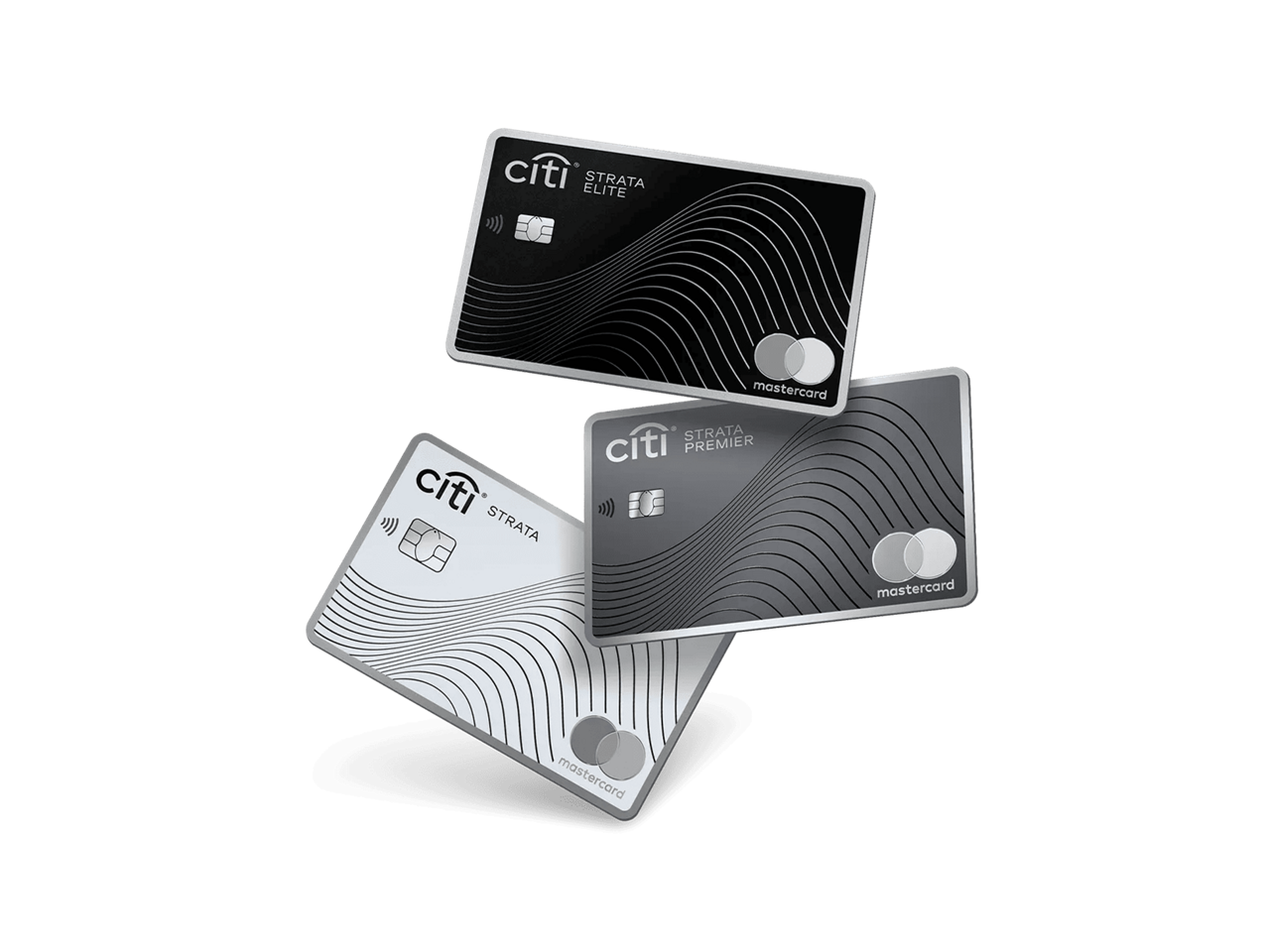
  • Enjoy a lounge: If you’re flying first or business class, are a member of a special airline program or have a certain type of credit card, like the Citi Strata Elite℠, then you’ll be able to relax at a premium lounge while you wait. 
  • Secure your entertainment: If you forgot to download episodes of your favorite television show while you were at home, now’s the time. And many airports offer free Wi-Fi to speed up the process. Remember that once the plane’s ready for flight mode, your phone must be in airplane mode. While many flights offer on-board Wi-Fi, there’s often a fee and it’s not always reliable.
  • Run last-minute errands: Forgot to bring snacks or entertainment? The airport has you covered — with a price. You’ll be able to bring anything you buy post-security onto the plane, but it’ll likely be more expensive than anything you would’ve bought somewhere else. Bringing snacks and food from home, along with an empty water bottle you can fill up post-security, is a great way to steer clear of that common airport upcharge.
  • Window shop: There are usually major retail stores as well as lots of shops that offer local memorabilia. Even just browsing can help the time go by. But remember, whatever you buy must fit within the carry-on and personal item restrictions.

When spending time at the airport, it’s crucial you don’t leave your bag unattended. You never know what someone might do, and airport security treats unattended bags as potential hazards.

Board your flight

No one wants to look like they don’t know what’s going on when boarding starts. Here are some things to expect from the process:

  • Gate check: When it gets closer to boarding, the people working at your gate will typically call for bag check. That’s because if the plane is full, and every person brings a bag, there’s not enough room for all those bags to fit in the overhead bins. So if you don’t want to deal with lugging your bag around, you can take them up on their offer to check your carry-on bag free of charge.
  • Boarding groups: The cabin or fare class you chose generally dictates when you get to board. If you’re in economy class, you could be waiting a while to get on. Your boarding pass will list your group. When they call it, you’re up. Many airlines offer priority boarding for travelers with limited mobility, families with young children, or active-duty military members.
  • Standby: If you’re flying standby, that means you’re on a waiting list. If there’s an empty seat, you’ll get a spot. If not, you’ll have to talk to the staff and find another flight. The screen at the gate typically shows standby seat assignments so you can track yours.

What to do after you board your flight

This is the fun part. It’s just you, your comfortable-ish seat and some entertainment. But there’s an etiquette to flying that people learn over time. Well, most people — some still take their socks off mid-flight.

Put your bags in the right spot

There are lots of rules surrounding bags, and the last thing you want is a flight attendant asking you to move your items after you’ve gotten settled. Here are the bag expectations:

  • Carry-on bag: This is the larger of your two items, and it goes above you in the overhead bin. For most airlines, the maximum size is 22 x 14 x 9 inches, including wheels and handles. Try to find a spot for your bag before you reach your assigned seat. You’ll be fighting upstream when you land if you need to reclaim it from the back of the plane while your fellow flyers are trying to deplane.
  • Personal item: This is the one other small item you can bring, and it must fit under the seat in front of you.
  • Checked bag: This is the bag you give to the people at your airline’s baggage drop-off center. It’s typically a larger bag or item that won’t fit in the overhead compartment. You shouldn’t have this with you when you board.

Settle in

Once your bag is stowed and you’ve found your seat, it’s time to get ready for takeoff. Put things you know you’ll want access to — such as your phone or tablet, a book or a water bottle — in the net or pocket on the seat back in front of you. In that pocket, you’ll likely find information about on-board entertainment and food and beverage options.

Then buckle up and await the flight attendants’ safety presentation. If you’re planning to charge your device, they may ask you to wait to plug it in until after takeoff. If you’re in a window seat, know that some airlines have policies regarding whether shades should be up or down during takeoff and landing. The attendants will let you know.

And if the idea of engaging in an activity with a required safety presentation has you stressed, review these tips for overcoming flying anxiety.

Fill the time

Flying can be a time to unwind if you have the right entertainment. Here are some things you can do while you’re in the sky:

  • Use the airplane’s device: If you’re on a longer flight, you might get to use a tablet connected to the back of the seat in front of you. With it, you can browse a wide selection of movies, shows, podcasts and games to make the flight go by in a snap.
  • Use your own device: You can bring a laptop, but it’s cumbersome. The tray tables can be too small to hold it properly. Instead, using a phone or tablet offers you more flexibility. If there’s no seatback screen provided, there’s usually in-flight Wi-Fi that has a selection of movies and television you can watch on your device.
  • Read a book: If you really want to unplug, a book, crossword puzzle or Sudoku can suck you into another world and eat up hours of your time. But if you’re someone who gets easily distracted, you might want to bring some earplugs to drown out the sound of the plane — and the cries of babies enjoying their first flight a lot less than you are.

Be mindful of other people

Flights work best when everyone’s being considerate of those around them. Choosing an aisle seat means you’ll be getting up to let seatmates by when they need to use the bathroom.  And be sure to keep your legs out of the aisle to avoid getting hit by a beverage cart.

If you’re in the middle or window seat, it can sometimes feel awkward to ask people to move, especially if they’re sleeping. But a light tap on the shoulder is all it takes, and they should understand your need to get by.

If you’re watching a movie or listening to a podcast, headphones or earbuds are a must — no one wants to have a listening party on the airplane.

If you’re planning to bring your own snacks, consider your scent radius. A crowded airplane may not be the time and place for that bag of Funyuns or your grandpa’s home-cured salmon jerky. 

What to do once your flight lands

Getting off the plane and finding your way out of the airport is the final aspect of your first flight experience. While it’s less complex than arrival, there are still things to know.

Deplane with care

When the seatbelt sign turns off at the arrival gate, it’s tempting to jump up immediately. However, deplaning happens row by row, starting from the front. Rushing into the aisle before it’s your turn will only get you some seriously aggressive side-eye. Wait until the row ahead of you is clear before grabbing your bags. Use the time to double and triple check that you have everything before leaving your seat. Once you’re off the plane, they’re not letting you back on to search for that missing earbud. 

If you have a connection, check the monitors

If you have another flight to catch, check the airport monitors immediately after stepping off the jet bridge. Gate assignments can change while you’re in the air. Look for overhead signs directing you to your next terminal or concourse. If you miss a connection due to an airline delay, that’s not on you — your airline is required to book you on the next available flight.

If you checked a bag, find your way to baggage claim

If this is your final stop, follow the "Baggage Claim" or "Ground Transportation" signs. These will guide you out of the secure area and to the baggage claim carousels. Flight attendants will typically let you know which carousel to head to, but don’t worry if you miss the announcement or forget: There are screens with this info in the baggage area. Bags will typically start showing up 15 to 30 minutes after your plane lands. 

Head to your destination

Once you have your bags, look for signs directing you to your preferred mode of ground transport. It’s good to have a plan for what you’ll do once you make it out of the airport.

  • Rideshares, taxis and hotel shuttles: These often have dedicated pickup zones that are different from where friends and family pick people up.
  • Public transit: Many major airports have train or bus stations directly connected to the terminal.
  • Rental cars: You can also get a rental car from the airport if you want the freedom of your own vehicle. Booking ahead of time helps you get a good price, secure your preferred type of car and skip lengthy service counter lines. You may need to take a shuttle to the rental car center; before getting on, double check that the shuttle serves your rental car company.

Book your stay with Citi Travel®

Haven’t booked a hotel or rental car yet for your upcoming trip? Check out Citi Travel  to make the most out of your travel purchases. Eligible cardmembers can earn ThankYou® Points on bookings and use those points to book future travel. Become a Citi® cardmember today or log in to your account to start planning your next trip.

Disclosure: This article is for educational purposes. It is not intended to provide legal, investment, or financial advice and is not a substitute for professional advice. It does not indicate the availability of any Citi product or service. For advice about your specific circumstances, you should consult a qualified professional.

Citi Travel is powered by Rocket Travel by Agoda.